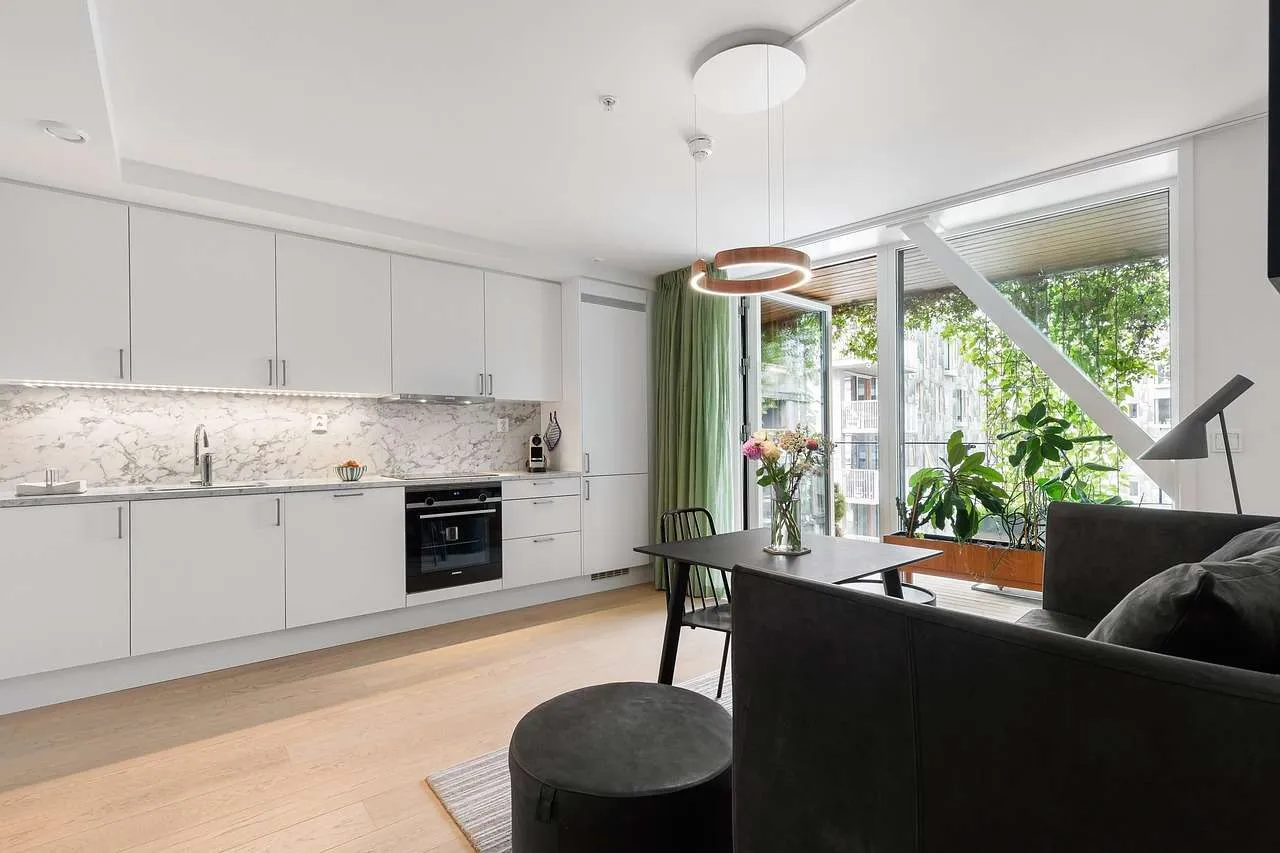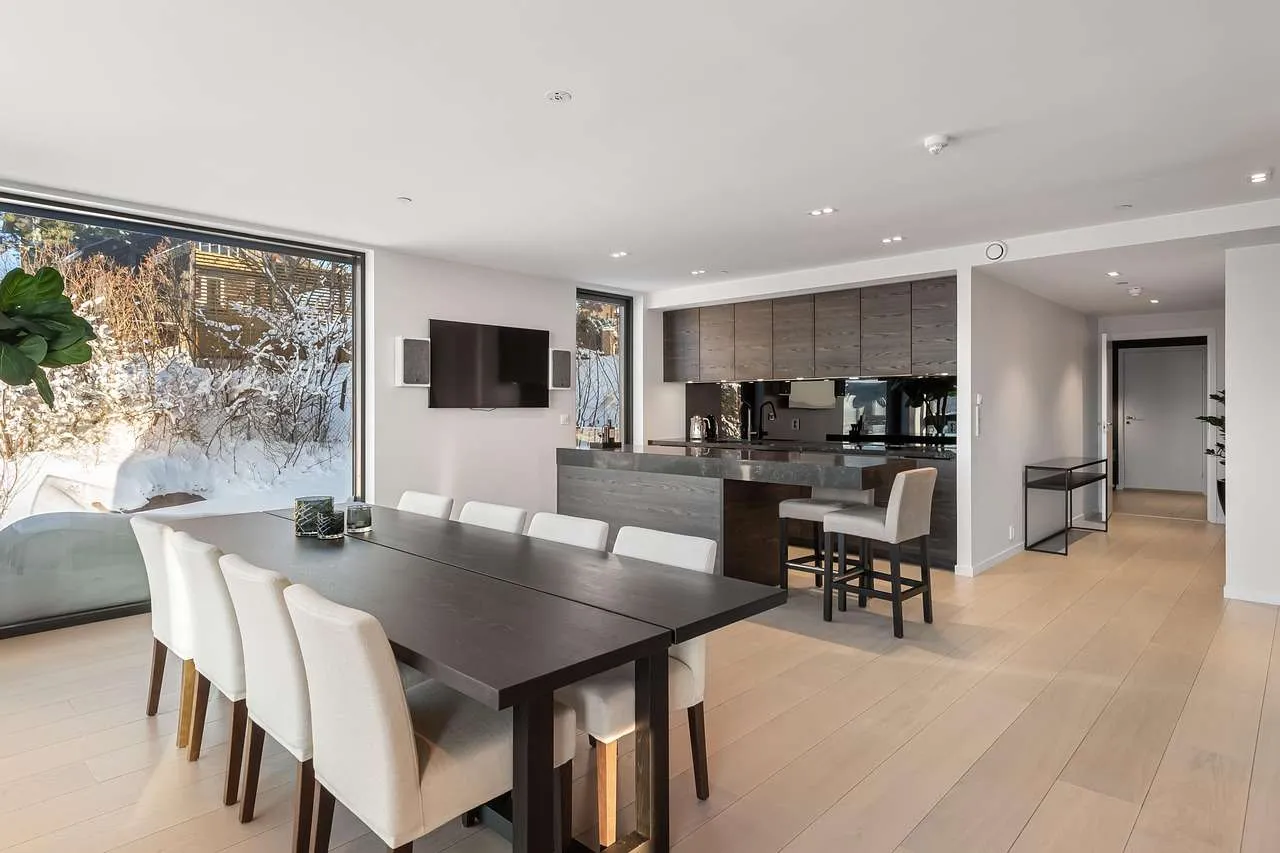
When you search for the term home window tinting near me, you're looking for credible options that combine comfort, energy savings, and long-term value. This guide covers what to know, how to choose a local installer, film types, installation steps, and typical costs.
What is home window tinting?
Home window tinting uses translucent films applied to the interior surface of glass to reduce heat, glare, and UV exposure. Modern films can be tuned to maintain your view while blocking infrared light. They are professionally installed to ensure a neat finish and long-term performance.
Benefits of home window tinting
- Energy savings: blocking heat reduces cooling needs in summer and can improve comfort year-round.
- UV protection: most films reject up to 99% of UVA and UVB to protect furnishings and skin.
- Privacy and glare control: tinting increases privacy without sacrificing natural light.
- Safety and security: certain films hold shattered glass in place after impact.
- Furniture protection: reduces fading of carpets, fabrics, and artwork.
Choosing a trusted installer near you
To align with EEAT, select a company with a local reputation, proper licenses, insurance, and warranty coverage. Look for IWFA certified installers or brand backed warranties, and ask for a demonstration or sample film in your home. Read customer reviews, request references, and confirm the projected lifespan of the film and the installation.
Questions to ask before hiring
- Which film type do you recommend for my climate and windows?
- What is the visible light transmission (VLT) and infrared rejection?
- What is the warranty and what does it cover?
- What is included in installation time and aftercare?
- Can you provide a written quote with all costs?
Types of window tinting films
Film technology varies in heat rejection, glare control, and visibility. Here is a quick overview:
| Film Type | Key Benefits | Typical Use |
|---|---|---|
| Dyed | Low cost, good glare control, may fade over time | Budget upgrades and privacy |
| Metalized | High heat rejection, reflective look, possible interference with electronics | Heavier tint with stronger heat control |
| Ceramic | Best heat rejection, clear optics, non-reflective | Premium comfort and durability |
| Spectrally selective | Blocks infrared while preserving view, clearer appearance | Energy efficiency with high visibility |
| Smart / Dynamic | Tint adjusts with electricity, flexible control | High tech comfort solutions |
Installation process and maintenance
The installation typically begins with an on-site measurement and professional cleaning of glass. Technicians apply the film, use precision cutting, and remove air bubbles with a heat-assisted squeegee. A curing period follows, during which you should avoid aggressive cleaning. Maintenance is simple: clean with a non ammonia glass cleaner and a microfiber cloth to preserve clarity and film integrity.
Cost considerations
Costs depend on film type, window size, number of panes, and local labor rates. A typical installed range is roughly 5 to 15 dollars per square foot, with smaller rooms and basic films on the lower end and premium ceramic or spectrally selective films on the higher end. For a standard home, expect a few hundred to a few thousand dollars, depending on scope.
| Film Type | Installed cost per sq ft (rough range) | Notes |
|---|---|---|
| Dyed | $5–$8 | Budget option, may fade over time |
| Metalized | $6–$9 | Good heat control, can affect sensors |
| Ceramic | $9–$14 | Best performance, higher upfront cost |
| Spectrally selective | $11–$15 | Infrared blocking with clear view |
| Smart / Dynamic | $15–$22 | Highest cost, adjustable tint |
Interpretation note: Prices vary by region, window size, and installation complexity. Always request a written estimate, and verify the installer’s credentials and warranty terms before work begins.
Summary: Choosing the right home window tinting near me involves selecting the film type that fits your climate and budget, verifying installer credentials and warranties, and understanding the total installed cost. A reputable, local installer will deliver energy savings, UV protection, privacy, and enhanced comfort while upholding EEAT standards through transparent quoting, quality products, and reliable service.