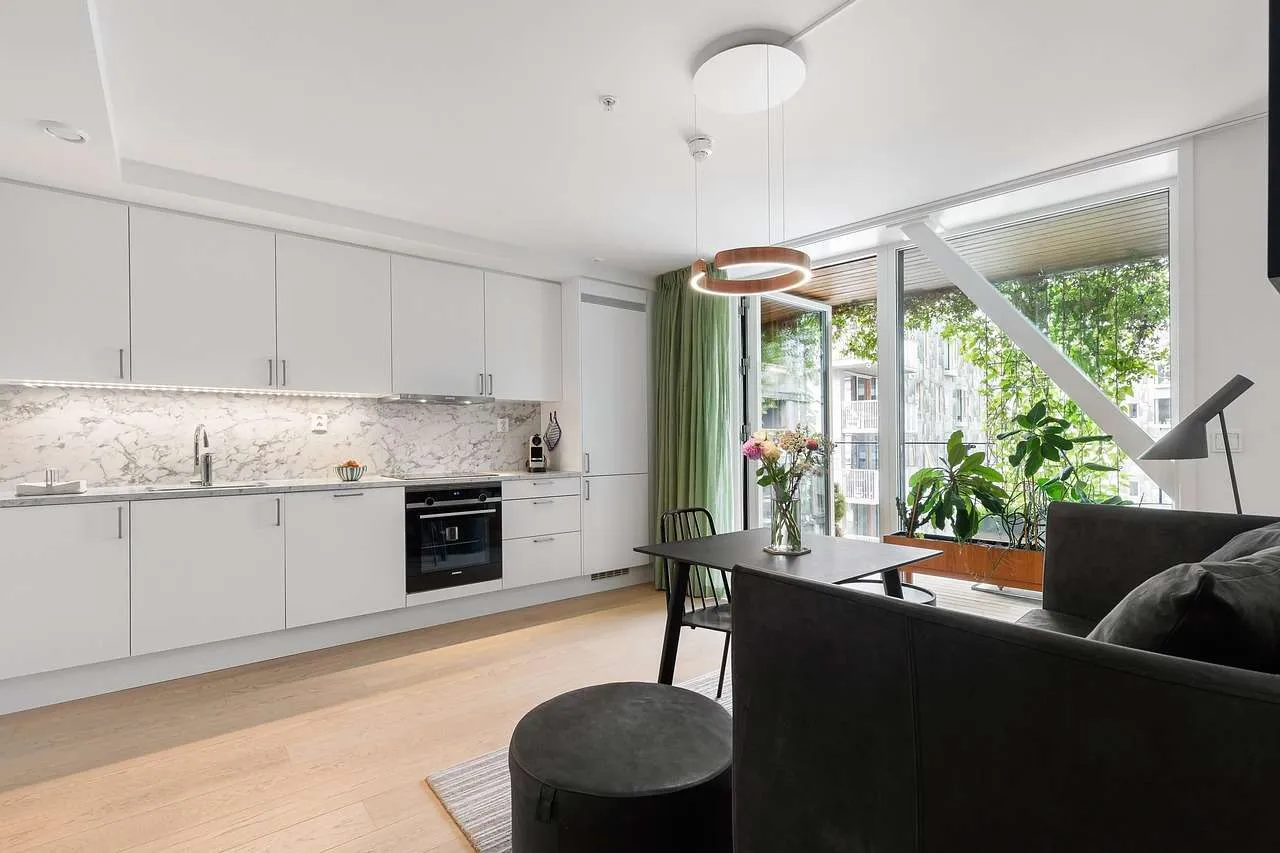
What is home window tinting?
Home window tinting refers to applying a thin film to the interior surface of existing windows to reduce solar heat, block ultraviolet light, and improve comfort. Modern films are designed to stay clear while performing like sunglasses for your glass. An experienced installer can assess your glazing, orientation, and local climate to recommend a balance of light transmission, heat rejection, and visibility.
Benefits of home window tinting
- Energy efficiency and comfort: Films cut heat gain in summer and heat loss in winter, reducing cooling and heating loads and potentially lowering energy bills.
- UV protection: Most films block up to 99 percent of harmful UV rays, protecting flooring, furnishings, and skin.
- Glare reduction: Lower glare improves comfort for screens and daylighting management.
- Privacy and aesthetics: Tinted windows limit visibility from the outside while still allowing daylight inside.
Types of window tint films for homes
Common options vary in light transmission and performance. Here is a quick guide to the major categories
Dyed films
Dyed films are affordable and effective at reducing glare and adding shade. They do not conduct electricity and are easy to install, but they may fade over time and generally offer moderate heat rejection compared with advanced films.
Metalized films
Metalized films reflect a portion of solar energy. They provide strong heat rejection and glare control but can interfere with some electronic signals and may develop a slight metallic tint over time.
Ceramic films
Ceramic and nano ceramic films offer excellent heat rejection with minimal color change and no signal interference. They are more expensive but typically deliver superior comfort and durability.
Hybrid or combination films
These blend ceramic layers with other technologies to balance cost and performance, often a good option for climate and budget constraints.
Key considerations when selecting tint
Before choosing a film, evaluate the following factors
- Visible light transmission (VLT) and solar heat gain coefficient (SHGC) values to match daylight needs and climate
- UV rejection efficiency to protect furnishings and skin
- Warranty, maintenance requirements, and product certifications from recognized bodies
- Installer credentials and service options, including measurement of existing glass
- Local regulations and building codes regarding exterior appearance and safety ratings
DIY versus professional installation
While self installation is possible for simple windows, professional tinting ensures a bubble-free finish and consistent edge sealing. Pros come with training, proper tools, and the ability to handle irregular shapes, large panes, or skylights. A professional job typically protects the warranty of the film and your glazing system, and they can address edge sealing and condensation concerns that DIYers may overlook.
Choosing a window tint installer
Look for specialists who focus on residential film, provide written quotes, showcase a portfolio of completed homes, and offer warranties. Ask for references and proof of training or certification from recognized associations in the window film industry. Confirm compatibility with your existing double or triple glazing and whether the installers can tailor a solution to your climate and daily patterns.
Cost and return on investment
The cost of home window tinting depends on window size, film type, and labor. Typical ranges per window span from affordable to premium options, with professional installation on the mid to high end. While upfront costs exist, potential energy savings, reduced furniture fading, and improved comfort create a favorable payback over the life of the product, especially in hot sunny climates and regions with intense glare.
Comparison of common window tint films
| Film type | Privacy | Heat rejection | UV blocking | Typical cost per window | Pros / Cons |
|---|---|---|---|---|---|
| Dyed film | Moderate | Moderate | High | Low to mid | Affordable, easy install; may fade over time |
| Metalized film | High | High | High | Mid | Strong heat control; may affect device signals and can show tint |
| Ceramic film | High | Excellent | Excellent | Mid to high | Best performance; higher cost |
| Hybrid/ nano ceramic | High | Very good | Excellent | Mid | Balanced cost and performance |
Conclusion
Investing in home window tinting can deliver energy savings, UV protection, glare relief, and enhanced privacy. By selecting the right film type, verifying credentials, and choosing a qualified installer, homeowners can achieve long term comfort while protecting furnishings and improving indoor quality. Summary: this article covered what window tinting does, the main film types, key selection criteria, installation considerations, and a practical comparison table to help you decide what best fits your home and climate.