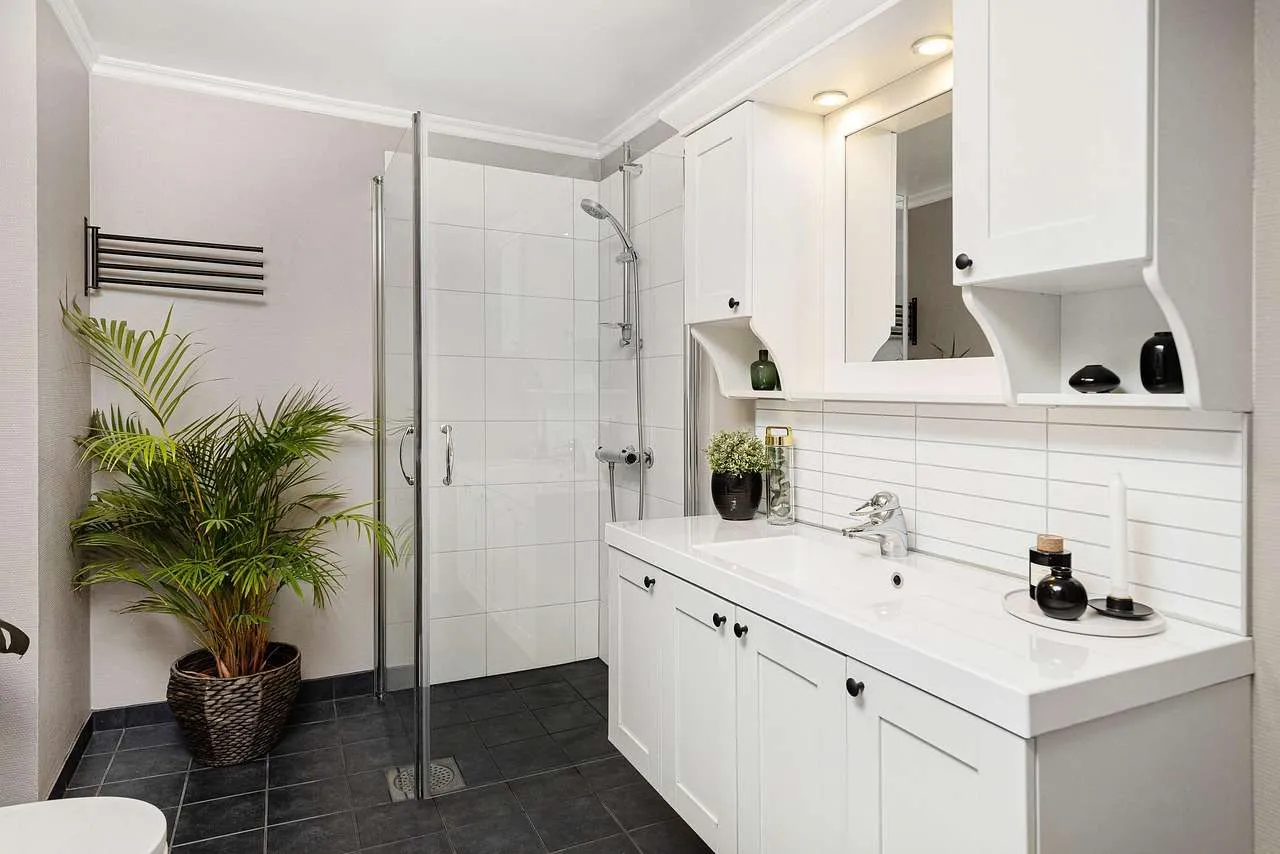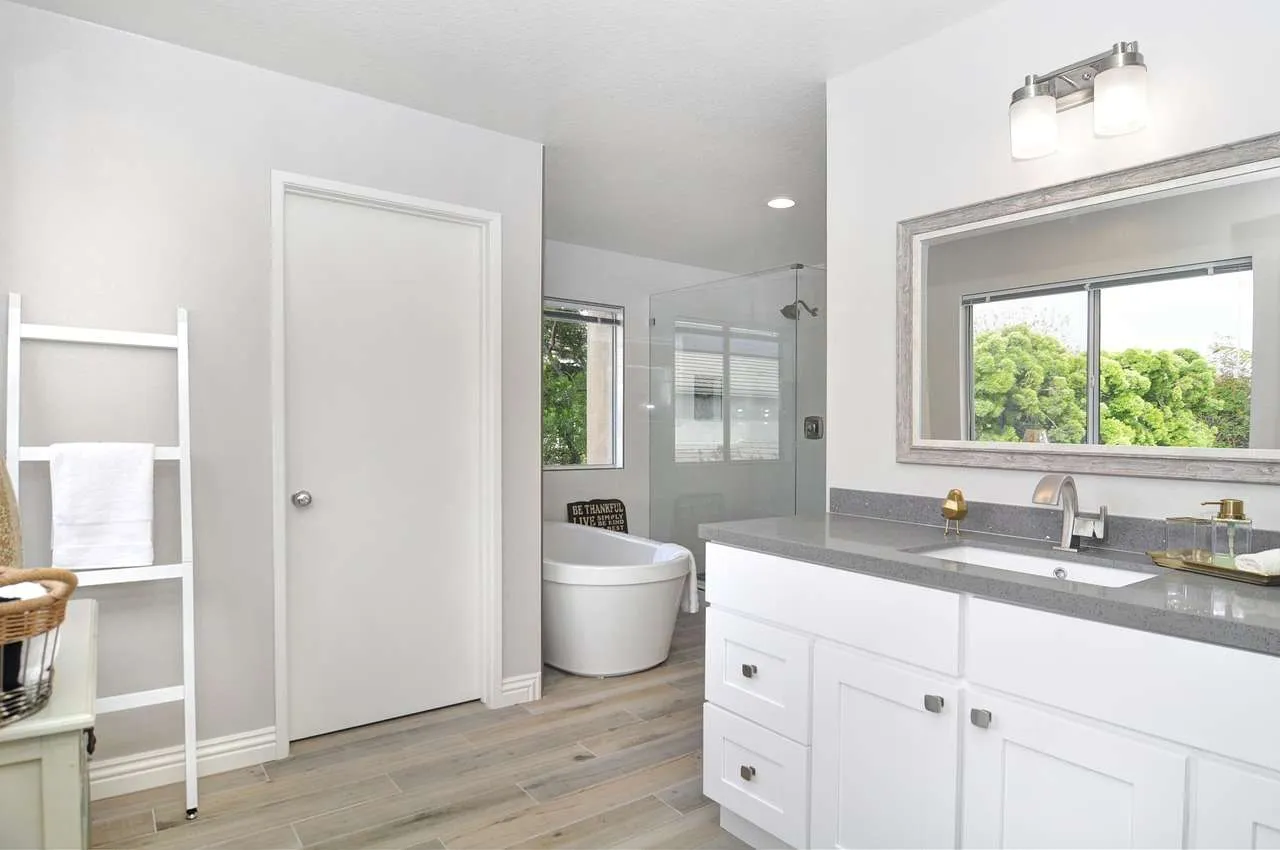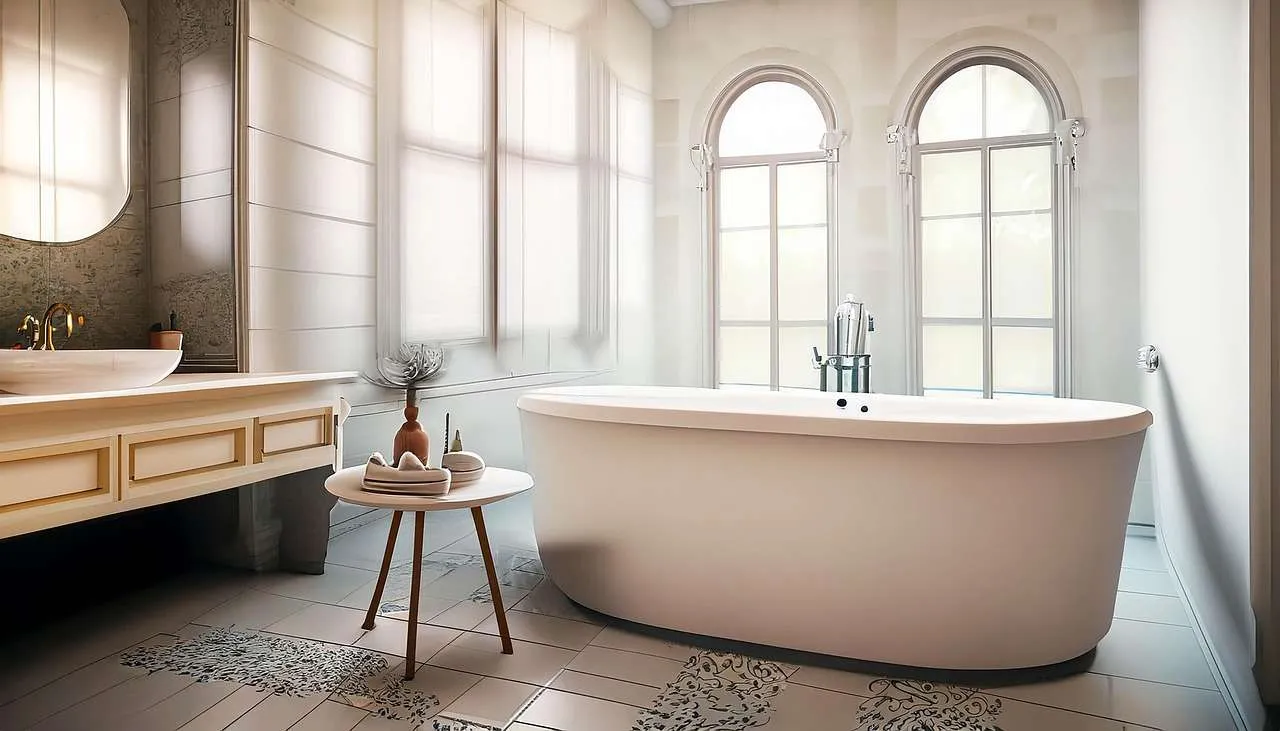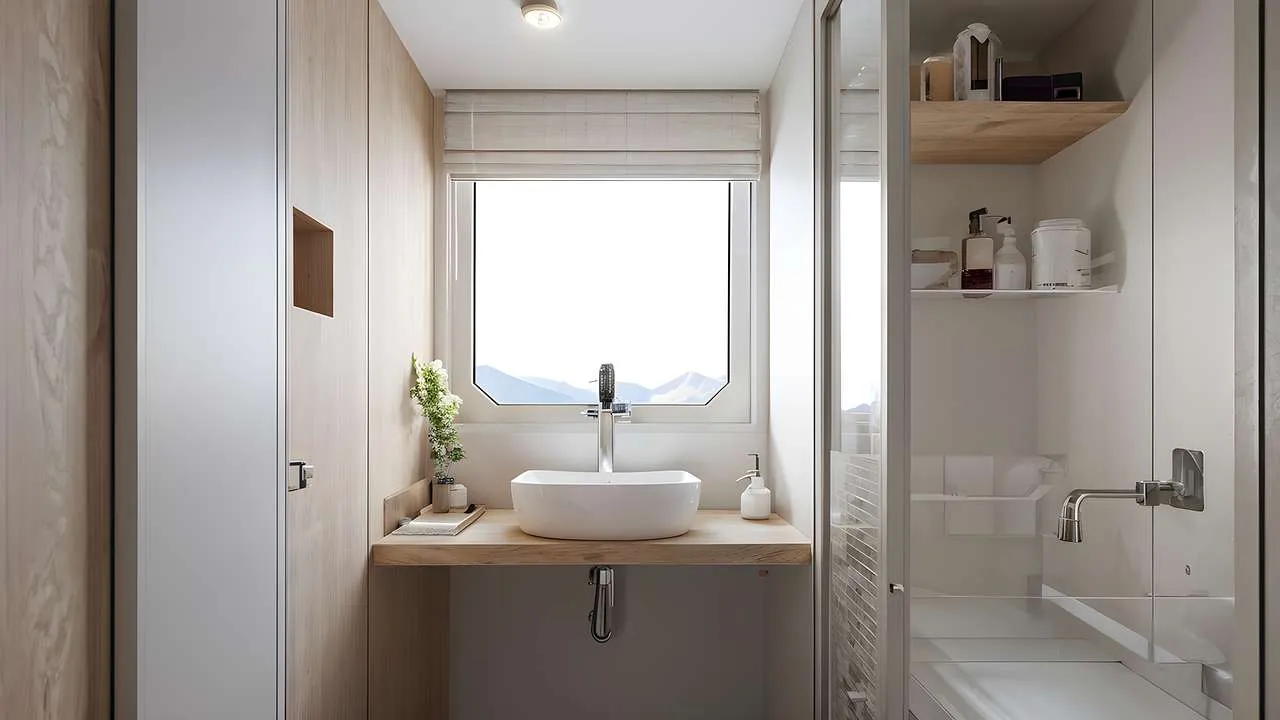
Bathroom accessories are the small, functional details that transform a bathroom from a simple space into a coordinated, user-friendly environment. They include everything from towel bars and toilet paper holders to mirrors, shower caddies, and soap dispensers. When chosen thoughtfully, these elements enhance daily routines while tying together the overall design. This article explores how to select, install, and maintain bathroom accessories with an emphasis on durability, style, and value, all backed by practical guidance and industry best practices to align with EEAT principles.
What are bathroom accessories?
Bathroom accessories are the hardware and fittings that support daily tasks and keep the space organized. They span several categories: drying and storage (towel bars, hooks, and racks), dispensing and cleaning (soap dispensers, lotion pumps, toothbrush holders), grooming and vanity (mirrors, medicine cabinets, bathroom benches), and shower essentials (shower caddies, tumbler holders, grab bars). A coherent set of accessories not only improves function but also reinforces your chosen style, whether that edge is modern, classic, rustic, or minimalist.
Materials, finishes, and quality
Durability in a humid environment starts with the right materials. Look for solid metals such as stainless steel, brass, or forged aluminum, which resist corrosion. Finishes matter as well: polished chrome is bright and easy to clean, brushed nickel offers a warmer tone with fingerprint resistance, and matte black provides a contemporary contrast. Complementary materials like tempered glass, ceramic, and high-quality resin or plastic can balance aesthetics and practicality. When assessing quality, check for solid mounting hardware, secure screws, and smooth operation of moving parts. A well-made piece should feel sturdy and operate quietly over years of use.
Styles and trends you can trust
Trends in bathroom accessories shift with broader interior design movements. Contemporary bathrooms favor minimalist forms with clean lines and concealed fixings, while traditional spaces embrace ornate details and brushed brass hardware. Industrial looks pair dark, rugged metals with matte surfaces, and spa-inspired bathrooms often feature soft, rounded shapes with light wood accents and neutral tones. Before buying, consider how the items will age with your space and whether a timeless finish (nickel, chrome) or a statement finish (matte black, brass) aligns with your overall decor and resale goals.
How to choose the right pieces
Start with measurements and mounting options. For towel bars and hooks, ensure the wall can handle the weight and that the placement doesn’t obstruct movement. For mirrors and cabinets, consider lighting and the required depth for the vanity. Material compatibility with humidity is crucial; avoid cheap plastics that crack or warp and prioritize corrosion-resistant metals for fixtures exposed to water and steam. Consider maintenance: some finishes hide water spots better than others, and certain dispensers require regular refills. Finally, select a cohesive set—mixing wrong finishes can disrupt the flow, so aim for a unified palette and compatible hardware across items.
| Item | Key features | Materials | Pros | Cons |
|---|---|---|---|---|
| Towel bar | Multiple sizes; keeps towels dry and accessible | Stainless steel, brass | Durable; easy to clean | Can protrude in tight spaces |
| Toilet paper holder | Simple roll replacement; wall-mounted | Chrome-plated steel, plastic | Low-profile; inexpensive options | Limited capacity if not dual-roll |
| Shower caddy | Keeps soaps and shampoos organized | Stainless steel or resin | Reduces clutter; easy access | Low-quality versions can corrode |
| Mirror with cabinet | Storage plus reflection | Glass, MDF core, aluminum frame | Space-saving; versatile storage | Heavier; requires secure mounting |
| Soap dispenser | Even dosing; refillable | ABS plastic, stainless steel | Hygienic; reduces waste | Clogs if not cleaned regularly |
Installation and maintenance tips
Preparation is key. Use a level to align fixtures, locate stud lines for heavy items, and choose proper anchors for hollow walls. Avoid over-tightening to prevent damage to mounting surfaces. Clean finishes with a soft, non-abrasive cloth to maintain sheen and prevent water spots. Periodically inspect screws and fixings and replace worn seals to prevent moisture intrusion. If you’re uncertain about installation, consult a licensed plumber or contractor to ensure safety and compliance with local codes.
Cost, warranties, and sustainability
Prices vary by material, finish, and brand. Basic pieces can be found for under 20–30 USD, while solid-brass or premium stainless steel sets often range from 100–300 USD. Warranties vary—look for at least a 1–5 year warranty on finishes and workmanship. For sustainability, consider items made from recycled materials or finishes that resist corrosion more effectively, reducing the need for frequent replacements. If possible, choose water-conscious options and brands with transparent sustainability statements.
EEAT-driven buying guidance
To meet EEAT standards, seek brands with demonstrable expertise (clear product guides, installation tips, and credible reviews), authoritative product specifications (dimensions, materials, finishes), and trust signals (customer service, returns, warranties). Read third-party reviews, confirm compatibility with your existing fixtures, and verify that installation instructions are detailed and accurate. Prioritize reputable retailers and ensure clear return policies, which reflect a commitment to user satisfaction and trust.
Conclusion, choosing the right bathroom accessories matters for daily convenience, fixture protection, and overall tone of the room. By focusing on durable materials, appropriate finishes, cohesive design, and trusted brands, you can build a balanced accessory set that lasts and maintains its appeal through years of use.