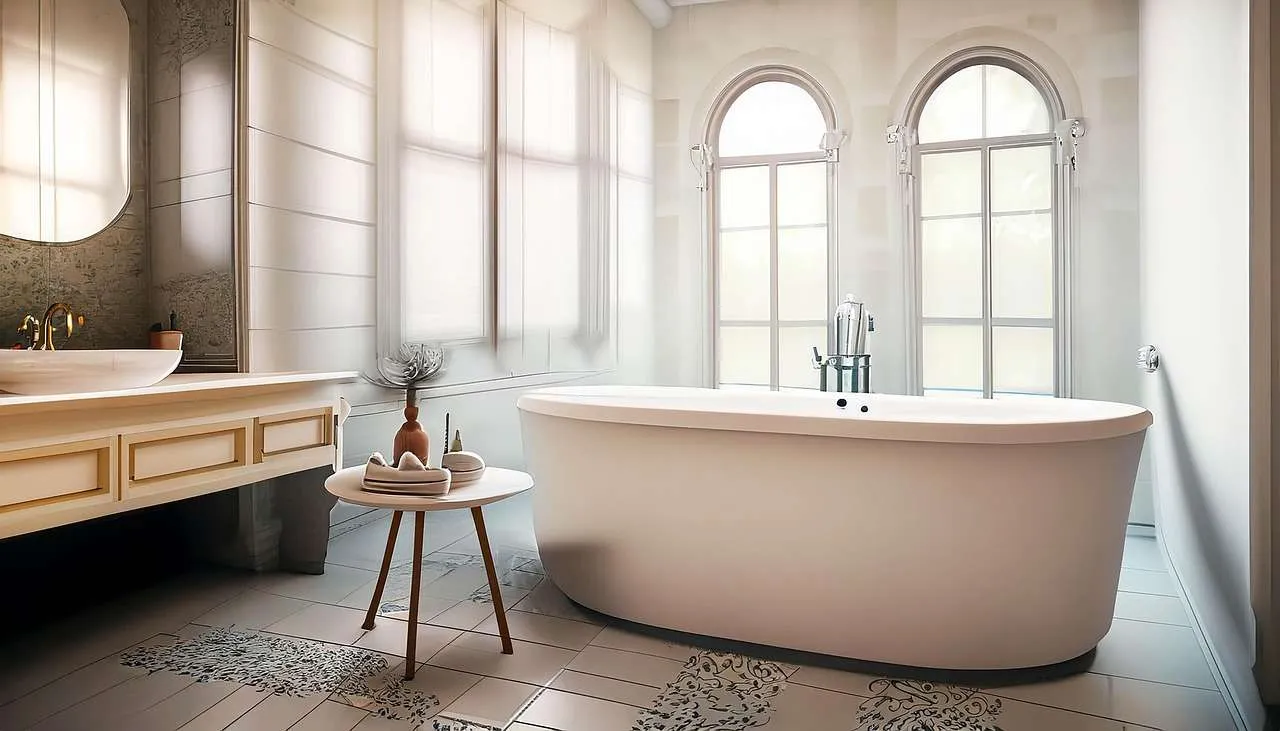
Small bathrooms can feel cramped, yet with thoughtful design you can create a space that is both functional and stylish. This guide focuses on practical small bathroom ideas that maximize every inch, from layout and color to storage and fixtures. By combining proven design strategies with quality materials and professional advice, you can achieve an efficient, easy-to-maintain bath you love to use every day.
Smart Layout and Space Saving Floor Plans
In small bathrooms, every inch counts. Start with a plan that reduces traffic flow and visual clutter. Consider a pocket door to remove swing space, a wall mounted toilet to free up floor clearance, and a compact vanity that fits the width without crowding. A corner shower or a frameless glass enclosure can visually expand the room more than a bulky tub. If possible, relocate plumbing into a vertical chase or reuse existing wall cavities to minimize renovation costs. For pets or family needs, choose a shower tray with a shallow curb and a built in niche for toiletries to avoid freestanding caddies that create clutter.
Color, Texture, and Lighting for Perceived Space
Light, neutral tones with a hint of warm accent create an airy mood in small baths. Use large format porcelain or ceramic tiles with minimal grout lines to reduce visual fragmentation. Matte or satin finishes in whites, creams, or pale grays reflect more light and lessen glare. Introduce texture with a timber vanity, stone countertops, or wicker baskets. Layer lighting with layered sources: ceiling ambient, task lighting around mirrors, and subtle LED strips in niches. A clear glass shower door or enclosure expands line of sight and helps the space feel larger than its actual footprint.
Smart Storage and Organization
Storage is the secret weapon in small bathrooms. Opt wall mounted vanities that tuck under the sink to free floor space, and use tall, slim cabinets to maximize vertical storage. Recessed niches in the shower wall hold shampoo bottles without spilling over into the floor. Over door organizers, magnetic strips for small tools, and baskets on high shelves keep essentials within reach yet out of sight. Choose accessories in a consistent finish to reduce visual noise and maintain a calm, cohesive look.
Fixtures and Materials that Make a Difference
Choose compact fixtures designed for small spaces. A wall mounted toilet and trough or under counter storage can create a streamlined silhouette. For the shower, a frameless glass door widens the feel, while a curved shower curtain rod can save space in a tub shower combo. Materials should be durable and water resistant: porcelain, quartz, and tempered glass. Light colored grout and minimal seam lines reduce visual breaks. If you have to replace a bathtub, consider a compact alcove tub with a right or left drain to fit the room layout. Always verify plumbing clearances before buying fixtures.
Table: Quick comparison of common approaches
| Approach | Pros | Cons | Best For |
|---|---|---|---|
| Wall mounted sink | More floor space, easy cleaning | Requires supply lines and sturdier wall | Very small baths |
| Corner shower with glass door | Maximizes usable area | Shower footers and installation can be tricky | Shower optimization |
| Floating vanity | Visual space, storage options | Limited storage depth | Open, airy feel |
| Recessed medicine cabinet | Keeps toiletries handy, no surface clutter | Requires wall cavity access | Medicine storage |
Maintenance and Expert Guidance
Even the best ideas can fail without proper installation and ongoing care. Rely on a licensed plumber and, if possible, a certified bathroom designer to ensure waterproofing, venting, and code compliance. Good materials and quality fixtures reduce maintenance needs and improve longevity. Regular maintenance tasks include resealing grout every few years, checking venting for humid rooms, and using gentle cleaners to preserve finishes. For homeowners tackling repairs, follow manufacturer instructions for product warranties and consult local building codes before major changes. This approach upholds EEAT by combining expertise, reliability, and trustworthiness in the planning and execution process.
Conclusion
Small bathroom ideas that combine thoughtful layout, light colors, clever storage, and quality fixtures allow a compact space to feel comfortable and functional. Prioritize vertical storage, choose light finishes, and select fixtures designed for small rooms. This approach not only improves daily use but also supports long term durability and value.
Summary: By focusing on vertical storage, light palettes, compact fixtures, and careful layout, you can create a small bathroom that feels larger, is easier to maintain, and adds lasting value.